China Manufacturing: Opportunities and Challenges for European Businesses
China has become one of the most important manufacturing hubs in the global economy. For European businesses, sourcing products and industrial components from China can offer significant advantages, including competitive pricing, extensive production capacity and access to a wide range of manufacturing technologies.
Table of Contents
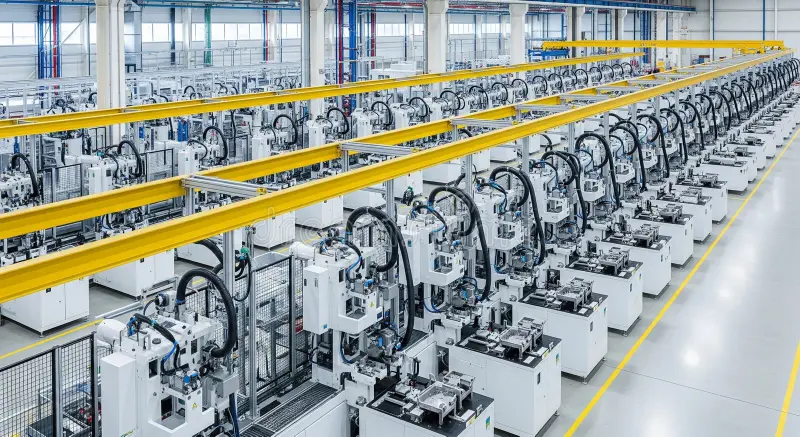
However, working with Chinese manufacturers also presents challenges. Differences in business culture, quality standards, communication, logistics and regulatory requirements can make international sourcing more complex than it initially appears.
For European companies looking to remain competitive, understanding both the opportunities and risks of China manufacturing is essential. With the right sourcing strategy and reliable business partners, Chinese manufacturing can become a valuable part of a company’s supply chain.
In this article, we explore the main benefits and challenges of manufacturing in China and explain how European businesses can approach sourcing more effectively.
1. Why Is China an Attractive Manufacturing Destination?
China’s manufacturing sector has developed significantly over the past few decades. Today, the country offers an extensive industrial ecosystem covering electronics, electrical equipment, machinery, automotive components, metalworking, plastics and many other sectors.
One of the biggest advantages is the availability of specialised manufacturers and suppliers. European businesses can often find factories with experience in producing both standard industrial components and customised products.
China also benefits from well-developed manufacturing infrastructure, established supplier networks and large-scale production capabilities.
For European buyers, this can mean:
- Access to a broad range of industrial products and components.
- Competitive manufacturing costs.
- High production capacity for large orders.
- Opportunities for product customisation.
- Access to specialised manufacturing technologies.
- A wide selection of potential suppliers.
These advantages make China an important sourcing destination for companies seeking to optimise procurement costs and diversify their supplier base.
2. Competitive Manufacturing Costs
Cost efficiency remains one of the main reasons European companies consider sourcing products from China.
Depending on the product category, manufacturing process and order volume, Chinese suppliers may offer more competitive prices than European manufacturers. This can be particularly relevant for companies purchasing industrial components, electrical products, machinery parts or products manufactured in larger quantities.
However, the lowest purchase price does not always represent the best commercial decision.
European businesses should consider the total cost of sourcing, including:
- Product manufacturing costs.
- International shipping and transportation.
- Customs duties and import-related expenses.
- Quality inspections and testing.
- Packaging and documentation.
- Potential costs associated with delays or defective products.
A supplier offering a lower unit price may ultimately be more expensive if quality problems, long lead times or unreliable deliveries affect business operations.
The best approach is to evaluate the total cost of ownership rather than focusing exclusively on the initial quotation.
3. Wide Product Availability and Manufacturing Capabilities
Another important advantage of China manufacturing is the diversity of available products and production capabilities.
Chinese factories operate across numerous industrial sectors, allowing European companies to source different components and products through specialised manufacturers.
This can be especially beneficial for businesses that require:
- Electrical components and industrial equipment.
- Mechanical parts and metal components.
- Custom-made products.
- Plastic and rubber components.
- Machinery accessories and spare parts.
- Products manufactured according to specific technical requirements.
Many manufacturers also offer OEM (Original Equipment Manufacturer) and ODM (Original Design Manufacturer) services. These solutions allow businesses to purchase products under their own brand or develop products based on individual specifications.
For European companies, this creates opportunities to expand their product portfolios without investing directly in manufacturing facilities.
4. The Main Challenges of Sourcing from China
Despite its advantages, sourcing from China requires careful planning. International procurement involves more than identifying a factory and negotiating a price.
Several challenges can influence the success of a sourcing project.
Quality Control and Product Compliance
Maintaining consistent product quality is one of the most important considerations when working with overseas manufacturers.
Product specifications, materials, production processes and quality control procedures should be clearly defined before placing an order.
European companies must also verify that imported products meet applicable EU requirements. Depending on the product category, this may involve CE marking, relevant EU legislation, technical documentation, testing or other conformity obligations.
It is important to remember that CE marking is not a universal quality certificate. It applies to products covered by specific EU harmonisation legislation, and the manufacturer or other responsible economic operator must fulfil the relevant legal obligations.
Working with suppliers that understand European market requirements can help reduce compliance risks and prevent costly problems.
Communication and Cultural Differences
Communication can be another challenge in international sourcing.
Differences in language, business practices and expectations may lead to misunderstandings, particularly when discussing technical specifications, delivery schedules or product modifications.
To minimise these risks, European buyers should:
- Provide detailed product specifications.
- Confirm important agreements in writing.
- Request technical drawings and samples when necessary.
- Establish clear delivery expectations.
- Maintain regular communication with suppliers.
Clear communication helps both parties understand their responsibilities and reduces the likelihood of mistakes during production.
Longer Lead Times and Logistics
Shipping products from China to Europe generally requires more planning than purchasing from a local supplier.
Production schedules, international transportation, customs clearance and potential disruptions can all influence delivery times.
For companies relying on regular deliveries, longer lead times may create additional inventory requirements and increase the risk of supply shortages.
Businesses should therefore plan procurement in advance, monitor shipping schedules and consider maintaining appropriate safety stock for critical components.
5. Supply Chain Risks and the Importance of Diversification
Recent global supply chain disruptions have demonstrated how important supplier diversification can be.
Depending too heavily on one country, manufacturer or transportation route may expose a business to unexpected risks.
Although China can offer attractive sourcing opportunities, European companies should consider how Chinese suppliers fit into their wider procurement strategy.
A diversified supplier network may include:
- Chinese manufacturers for competitive production and specialised components.
- European suppliers for shorter lead times and local availability.
- Alternative manufacturers for critical products.
- Backup sourcing options for components with long delivery times.
This approach can improve supply chain resilience and provide greater flexibility when market conditions change.
For many companies, the objective should not be to choose between China and Europe, but to build a sourcing strategy that combines the advantages of different markets.
6. How to Choose the Right Chinese Manufacturing Partner
Selecting the right supplier is one of the most important steps in successful international sourcing.
A competitive quotation is only one part of the evaluation process. European businesses should also assess the manufacturer’s experience, production capabilities, quality management and ability to meet delivery commitments.
Before establishing a long-term business relationship, it is worth checking:
Manufacturing experience: Does the supplier have experience producing the required products?
Quality management: Are quality control procedures clearly defined and consistently applied?
Technical capabilities: Can the manufacturer meet the required specifications and tolerances?
Certifications and documentation: Can the supplier provide relevant and verifiable documentation?
Communication: Does the company respond professionally and provide clear information?
Production capacity: Can the manufacturer handle both current and future order volumes?
Delivery reliability: Are production schedules and shipping arrangements realistic?
Where appropriate, businesses should also consider factory audits, independent inspections and sample testing before approving larger orders.
A structured supplier evaluation process helps European companies make informed decisions and reduce the risks associated with international procurement.
7. How Voltex Invest Can Support European Sourcing Strategies
Finding the right manufacturing partner in China requires market knowledge, technical understanding and careful supplier evaluation.
For European businesses, having an experienced sourcing partner can make the process more manageable. From identifying potential suppliers to comparing offers and coordinating procurement requirements, professional support can help companies approach international sourcing with greater confidence.
Voltex Invest focuses on helping businesses navigate industrial sourcing and supplier selection. A structured approach to procurement can help companies evaluate available options, identify suitable products and consider the commercial and operational factors involved in purchasing from international markets.
Whether a business is looking for alternative industrial components, new manufacturing partners or opportunities to optimise purchasing costs, the key is to make sourcing decisions based on quality, reliability and long-term value.
Conclusion: Is China Manufacturing the Right Choice for European Businesses?
China manufacturing offers significant opportunities for European companies. Competitive costs, extensive production capabilities and a wide supplier network make it an attractive option for many industrial and commercial applications.
At the same time, businesses must consider quality control, EU compliance, communication, logistics and supply chain risks.
Successful sourcing is not simply about finding the cheapest manufacturer. It is about identifying reliable partners, understanding the full cost of procurement and ensuring that products meet the required standards.
With proper planning and supplier evaluation, China can become a valuable part of a diversified and resilient European supply chain.
Frequently Asked Questions (FAQ)
1. Why do European companies manufacture or source products from China?
European companies source products from China because of competitive manufacturing costs, extensive production capacity, a wide range of industrial products and access to specialised manufacturing technologies.
2. What are the main risks of sourcing from China?
The main risks include inconsistent product quality, communication difficulties, longer delivery times, logistics disruptions and potential problems with product compliance. Proper supplier verification and quality control can help minimise these risks.
3. Do products imported from China need to meet EU standards?
Yes. Products placed on the EU market must comply with the applicable European legislation and safety requirements. Depending on the product category, this may include CE marking, technical documentation and conformity assessment.
4. How can European businesses verify Chinese manufacturers?
Businesses can evaluate manufacturers by checking their production experience, quality management procedures, technical capabilities, documentation and references. Factory audits, independent inspections and product testing may also be appropriate.
5. Is sourcing from China cheaper than buying from European suppliers?
It can be, but the final cost depends on the product, order volume, shipping, customs duties, quality requirements and other expenses. Companies should compare the total cost of ownership rather than unit prices alone.