LED Display Power Supplies: What Buyers Should Know Before Ordering
Choosing the right power supply is one of the most important steps when purchasing an LED display system. While buyers often focus on screen resolution, brightness, pixel pitch, and display dimensions, the power supply is equally essential for ensuring reliable performance, stable operation, and long-term durability.
Table of Contents
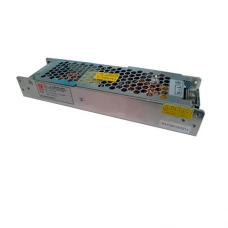
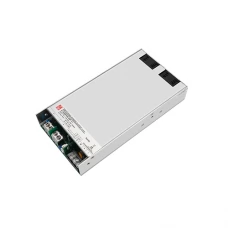
An LED display power supply provides the electrical energy required to operate LED modules, receiving cards, and other electronic components. Selecting an unsuitable unit can result in screen flickering, unstable brightness, overheating, unexpected shutdowns, or even permanent damage to the display.
Whether you are purchasing components for an indoor LED screen, an outdoor advertising display, a rental LED wall, or a large commercial installation, understanding the technical requirements before placing an order can help you avoid unnecessary costs and installation problems.
In this guide, we explain what buyers should know about LED display power supplies, including voltage, wattage, efficiency, compatibility, safety certifications, and important factors to consider when choosing a supplier.
1. What Is an LED Display Power Supply?
An LED display power supply, also known as an LED screen power supply or LED display switching power supply, is an electronic device that converts AC mains electricity into the low-voltage DC power required by an LED display.
Most LED display modules operate using a 5V DC power supply, although specific display systems may require different voltage configurations. The power supply distributes stable electrical power to the LED modules and supporting electronics.
A typical LED display power system consists of several power supply units connected to different sections of the screen. The number of units required depends on the display size, pixel pitch, brightness level, module configuration, and maximum power consumption.
A high-quality power supply helps ensure:
- Stable LED display brightness.
- Consistent screen performance.
- Reduced risk of flickering and signal-related power issues.
- Reliable operation during extended working hours.
- Better protection against electrical fluctuations.
- Longer service life for connected components.
For this reason, choosing a compatible and reliable LED display power supply should always be part of the purchasing process.
2. Check the Correct Output Voltage Before Ordering
Voltage compatibility is one of the first specifications buyers should verify.
Many standard LED display modules use 5V DC power supplies. However, this does not mean that every 5V power supply is suitable for every LED screen. Buyers must also consider current capacity, connector configuration, electrical load, and the requirements of the LED control system.
Using an incorrect voltage can cause serious problems. Excessive voltage may damage LED modules and electronic components, while insufficient voltage can lead to unstable operation, reduced brightness, or unexpected shutdowns.
Before ordering, check the technical documentation provided by the LED display manufacturer.
Important specifications include:
- Rated output voltage.
- Output current.
- Maximum output power.
- Input voltage range.
- Connector and terminal configuration.
- Required operating temperature range.
It is also important to confirm whether the power supply is designed specifically for LED display applications rather than general-purpose LED lighting.
3. Understand Power Consumption and Wattage Requirements
Another important factor is the total power consumption of the LED display.
Every LED screen has a specific power requirement, usually expressed in watts (W). The actual consumption depends on the screen dimensions, pixel pitch, LED configuration, brightness settings, and displayed content.
Manufacturers commonly provide two power consumption values:
Maximum power consumption: The highest expected electrical demand under specified operating conditions, often associated with high brightness and demanding content.
Average power consumption: The typical power usage during normal operation. This is generally lower than the maximum rating.
When selecting an LED display power supply, buyers should calculate the required capacity based on the manufacturer’s specifications.
For example, if an LED display section requires a maximum of 200W, the selected power supply must provide sufficient rated output capacity for that load. It is also advisable to include an appropriate safety margin according to the manufacturer’s recommendations and installation conditions.
Avoid operating a power supply continuously at its absolute maximum capacity unless the manufacturer explicitly confirms that the design supports this operating condition.
Correct power calculations help reduce overheating, improve reliability, and prevent unnecessary equipment failures.
4. Pay Attention to Power Supply Efficiency
Efficiency is another important consideration when purchasing LED display power supplies.
Power supply efficiency describes how effectively an electrical unit converts incoming AC power into usable DC output power.
For example, a power supply with 90% efficiency converts approximately 90% of the input energy into usable output power, while the remaining energy is lost mainly as heat.
Higher efficiency offers several benefits:
- Lower electricity consumption.
- Reduced heat generation.
- Improved operating conditions.
- Potentially lower cooling requirements.
- Better energy performance in large LED installations.
These advantages become particularly important in commercial LED displays that operate for many hours every day.
When comparing different LED screen power supplies, check the efficiency rating under relevant operating conditions rather than relying only on the highest advertised figure.
An efficient power supply can help reduce long-term operating costs, especially when purchasing units for a large LED video wall.
5. Indoor vs. Outdoor LED Display Power Supplies
Not every LED display power supply is suitable for every installation environment.
Indoor and outdoor LED screens often operate under different environmental conditions, which directly affects the requirements for their electrical components.
Indoor LED Display Power Supplies
Indoor LED displays are typically installed in shopping malls, conference rooms, retail stores, offices, television studios, and exhibition halls.
These environments generally provide more controlled temperatures and lower exposure to moisture and dust.
When selecting an indoor LED display power supply, buyers should focus on:
- Stable voltage output.
- Compact dimensions.
- High energy efficiency.
- Low operating temperature.
- Compatibility with the LED cabinet design.
- Reliable performance during continuous operation.
Outdoor LED Display Power Supplies
Outdoor LED screens face more demanding environmental conditions.
They may be exposed to rain, humidity, dust, direct sunlight, temperature fluctuations, and strong seasonal weather conditions.
For outdoor applications, it is important to select power supplies with appropriate environmental protection and operating temperature ratings.
Buyers should check:
- Enclosure protection and IP rating.
- Moisture resistance.
- Operating temperature range.
- Thermal management.
- Corrosion resistance where relevant.
- Manufacturer-approved installation requirements.
Remember that the IP rating of a power supply does not automatically determine the protection level of the complete LED display cabinet. The entire electrical installation must be designed for the intended environment.
6. Check Compatibility With Your LED Display Brand and Model
Compatibility is one of the most frequently overlooked aspects of purchasing replacement LED display power supplies.
Even if two units have identical voltage and wattage ratings, they may differ in dimensions, mounting holes, connector positions, terminal arrangements, and cooling requirements.
These differences can create installation problems or make a supposedly compatible replacement unsuitable.
Before ordering, provide your supplier with the following information:
- LED display manufacturer and model.
- LED module specifications.
- Existing power supply model number.
- Output voltage and current requirements.
- Physical dimensions of the original unit.
- Connector and terminal configuration.
- Indoor or outdoor application.
If you are replacing an existing power supply, sending photographs of the original product label and connection terminals can help the supplier identify a suitable replacement.
Never assume that a power supply is compatible simply because it looks similar to the original unit.
7. Safety Features and Certifications Matter
Electrical safety should always be a priority when purchasing LED display power supplies.
A reliable unit should include appropriate protection mechanisms to reduce the risk of electrical damage and equipment failure.
Depending on the product design, important protection features may include:
- Overload protection.
- Overvoltage protection.
- Short-circuit protection.
- Overtemperature protection.
- Input surge protection.
Buyers should also check whether the product meets the regulatory requirements applicable to the intended market.
For example, products sold in the European Economic Area may need to comply with applicable EU legislation and carry the CE marking where required. Other relevant standards and certifications depend on the product category, market, and installation.
It is important to distinguish between a manufacturer’s declaration of conformity, independent product testing, and third-party certification. Ask suppliers for relevant documentation rather than relying exclusively on logos displayed in product photographs.
Purchasing properly documented power supplies helps reduce safety risks and supports more professional installation practices.
8. Cooling and Heat Dissipation
Heat is one of the main factors affecting the performance and lifespan of electronic power supplies.
During operation, electrical components generate heat. If this heat cannot be dissipated effectively, internal temperatures may rise beyond recommended limits.
This can lead to reduced efficiency, unstable output, accelerated component ageing, or premature failure.
LED display power supplies may use different cooling approaches, including natural convection and fan-assisted cooling.
When comparing products, consider:
- Cooling design.
- Ventilation requirements.
- Maximum operating temperature.
- Installation orientation.
- Available airflow inside the LED cabinet.
- Manufacturer-recommended clearance around the unit.
For outdoor LED displays installed in hot climates, thermal management becomes especially important.
A power supply should always be installed according to the manufacturer’s instructions. Even a high-quality product can experience reliability problems if ventilation is blocked or the surrounding environment exceeds its rated operating conditions.
9. Why Power Supply Quality Affects LED Display Performance
The quality of an LED display power supply directly influences the stability of the entire display system.
A low-quality or incorrectly selected power supply may cause several operational problems.
Screen flickering: An unstable voltage output can contribute to visible flickering or irregular screen behaviour.
Uneven brightness: Voltage drops and excessive loading may affect the consistent operation of LED modules.
Unexpected shutdowns: Overloaded or overheating power supplies may activate protective mechanisms or fail during operation.
Reduced equipment lifespan: Poor thermal management and low-quality electronic components can increase the risk of premature failure.
Higher maintenance costs: Frequent replacements and service interruptions can increase the total cost of ownership.
For professional installations, it is generally better to evaluate the complete quality and reliability of a power supply rather than choosing exclusively based on its purchase price.
10. What to Ask Your Supplier Before Placing an Order
Selecting the right supplier is just as important as choosing the correct technical specifications.
A professional supplier should be able to provide detailed product information, technical documentation, and assistance with compatibility checks.
Before placing an order, consider asking the following questions:
- Is the power supply compatible with my LED display model?
- What are the rated output voltage and current?
- What is the maximum output power?
- What is the efficiency rating?
- Which safety protection features are included?
- Does the product have the required compliance documentation?
- What is the expected operating temperature range?
- Is the product suitable for indoor or outdoor installations?
- What warranty is provided?
- Are replacement units and technical support available?
You should also confirm the minimum order quantity, production lead time, shipping options, packaging standards, and availability of replacement products.
For wholesale buyers and LED display manufacturers, consistent product specifications across multiple batches are particularly important.
Requesting a sample before placing a large order can also help verify product dimensions, installation compatibility, and overall quality.
11. How to Reduce Long-Term Costs When Buying LED Display Power Supplies
The lowest purchase price does not always represent the best value.
When buying LED display power supplies, it is important to consider the total cost of ownership rather than focusing exclusively on the initial price.
A reliable power supply can reduce maintenance requirements, prevent unexpected downtime, and support more stable display operation.
To make a cost-effective purchasing decision:
Compare technical specifications: Evaluate voltage, current, wattage, efficiency, and protection features.
Check product consistency: Make sure the supplier can maintain the same technical specifications across future orders.
Consider warranty coverage: Understand what is covered and how replacement claims are handled.
Evaluate supplier experience: Work with suppliers who understand LED display applications and can provide technical assistance.
Plan for future maintenance: Confirm the availability of compatible replacement units.
For businesses operating advertising screens, rental LED walls, and commercial video displays, reliability can be particularly important because equipment downtime may directly affect revenue.
12. Final Checklist Before Ordering LED Display Power Supplies
Before confirming your purchase, review the following checklist:
- Correct output voltage confirmed.
- Required wattage and current capacity calculated.
- Power supply compatibility verified.
- Physical dimensions and mounting configuration checked.
- Efficiency rating reviewed.
- Indoor or outdoor suitability confirmed.
- Cooling and temperature requirements checked.
- Safety protection features verified.
- Relevant compliance documentation requested.
- Warranty and after-sales support confirmed.
- Delivery time and minimum order quantity agreed.
Taking these steps before ordering can help prevent compatibility issues, reduce installation delays, and improve the long-term reliability of your LED display system.
Frequently Asked Questions (FAQ)
1. What voltage is commonly used for LED display power supplies?
Many standard LED display modules use 5V DC power supplies. However, the required voltage depends on the specific LED display design and manufacturer specifications. Always verify compatibility before ordering.
2. How do I choose the right LED display power supply?
Check the required output voltage, current, wattage, physical dimensions, connector configuration, and environmental operating conditions. It is also important to confirm compatibility with your LED module and control system.
3. What is the difference between maximum and average power consumption?
Maximum power consumption refers to the highest expected electrical demand under specified operating conditions. Average power consumption represents typical usage during normal operation and is usually lower.
4. Can I use any 5V power supply for my LED screen?
No. Although many LED modules use 5V DC, not every 5V power supply is compatible. Current capacity, output stability, connector configuration, dimensions, and protection features must also meet the requirements of your display.
5. Are indoor and outdoor LED display power supplies different?
Yes. Outdoor installations may require power supplies with greater environmental protection, suitable operating temperature ranges, and improved resistance to moisture and dust. Indoor applications generally operate under more controlled conditions.