Polish Manufacturer of Industrial Control & Signaling Equipment: Quality, Reliability and Innovation
Poland has become an important manufacturing destination for companies looking for reliable industrial components, competitive production capabilities, and high-quality engineering solutions. Among the sectors supporting modern industrial development is the production of industrial control and signaling equipment.
Table of Contents
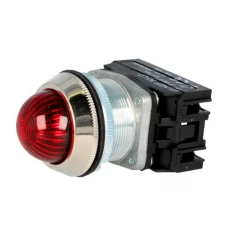
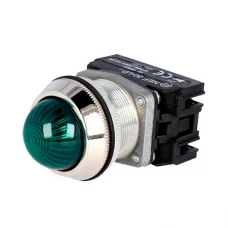
A Polish manufacturer of industrial control and signaling equipment can provide essential components used in automation systems, machinery, production lines, control panels, and industrial installations. These products help operators monitor machine conditions, control industrial processes, and improve workplace safety.
As manufacturers across Europe continue to invest in automation, digitalisation, and more efficient production processes, the demand for dependable industrial control components is growing. Choosing the right supplier is therefore an important decision for machine builders, system integrators, electrical wholesalers, and industrial distributors.
In this article, we explore the role of Polish manufacturers in the industrial control and signaling equipment market, the types of products available, important technical considerations, and the benefits of working with an experienced industrial equipment manufacturer in Poland.
1. What Is Industrial Control and Signaling Equipment?
Industrial control and signaling equipment includes a wide range of electrical and electronic components designed to control, monitor, and communicate the operating status of industrial machines and systems.
These components are commonly installed in electrical control cabinets, operator panels, production machinery, manufacturing facilities, and industrial automation systems.
Their main purpose is to provide reliable interaction between operators, machines, and automated processes.
Industrial control and signaling equipment may include:
- Industrial push buttons.
- Emergency stop buttons.
- Signal lights and indicator lamps.
- Control switches and selector switches.
- Pilot lights and LED indicators.
- Audible signaling devices.
- Control stations and operator panels.
- Industrial switching and control components.
Depending on the application, these products may be used individually or integrated into larger machine control systems.
A reliable industrial control and signaling solution helps operators identify machine status, initiate specific operations, respond to alarms, and maintain better control over production processes.
2. Why Choose a Polish Manufacturer of Industrial Control Equipment?
Poland has developed a strong industrial manufacturing sector supported by engineering expertise, modern production facilities, and access to European supply chains.
For international buyers, working with a Polish industrial equipment manufacturer offers several potential advantages.
European Manufacturing Standards
Polish manufacturers operating in the European market must consider applicable European product safety and regulatory requirements.
Depending on the product category and intended application, relevant requirements may include CE conformity assessment and applicable European standards.
For buyers, this can simplify supplier qualification and help ensure that products are suitable for their intended markets and applications.
It is important to verify the specific declarations of conformity and technical documentation for each product rather than assuming that every product automatically meets the same requirements.
Convenient European Logistics
Poland’s geographical position makes it an attractive manufacturing and distribution location for customers across Europe.
Businesses importing industrial control components can benefit from access to major European transport networks and established logistics infrastructure.
This can support efficient deliveries to customers in Germany, France, Italy, the Netherlands, Scandinavia, and other European markets.
Competitive Manufacturing Capabilities
Polish manufacturers can offer an attractive balance between production quality, engineering capabilities, and manufacturing costs.
For distributors and OEM customers, this can create opportunities to source industrial components from within the European market while maintaining competitive purchasing conditions.
Technical Knowledge and Engineering Experience
Industrial control equipment requires more than basic manufacturing capabilities.
Product design, electrical engineering, material selection, testing, and quality control all contribute to the reliability of the final product.
Working with an experienced manufacturer can help buyers identify suitable solutions for demanding industrial applications.
3. Types of Industrial Control and Signaling Products
A professional industrial control equipment manufacturer may offer a broad product portfolio designed for different automation and machinery applications.
Understanding the main product categories helps buyers select the correct components for their installations.
Industrial Push Buttons
Industrial push buttons are among the most widely used control components in manufacturing environments.
They allow operators to initiate specific machine functions, such as starting, stopping, resetting, or changing an operating mode.
Push buttons are commonly installed in machine control panels, operator stations, and electrical cabinets.
Important selection factors include:
- Contact configuration.
- Operating voltage and current.
- Mounting diameter.
- Mechanical durability.
- Protection rating.
- Button colour and function.
- Illuminated or non-illuminated design.
Choosing the correct industrial push button is essential for reliable machine operation and intuitive operator interaction.
Emergency Stop Buttons
Emergency stop buttons are designed to initiate an emergency stop function when a hazardous situation occurs.
They are an important component of machinery safety systems and are typically designed for easy identification and rapid operation.
Common characteristics include a prominent red actuator, a yellow background where appropriate, and a mechanism that requires deliberate resetting.
However, an emergency stop button alone does not guarantee machinery safety. Its selection, installation, and integration must comply with the applicable machinery safety requirements and the machine’s risk assessment.
Industrial Signal Lights and Indicator Lamps
Signal lights provide visual information about the operating status of machines and industrial processes.
They allow operators to quickly identify whether equipment is running, stopped, waiting, or experiencing a fault.
Common signal light colours include:
- Green – commonly associated with normal operation or a safe condition.
- Red – commonly used for dangerous or emergency conditions.
- Yellow or amber – commonly used to indicate warnings or abnormal conditions.
- Blue – often used for specific operator actions or conditions requiring attention.
- White – frequently used for general status information.
The exact meaning of each colour should be defined by the machine’s operating documentation and applicable standards.
Modern industrial indicator lamps often use LED technology because of its energy efficiency and long operating life.
Selector Switches and Control Switches
Selector switches allow operators to choose between different operating modes or control functions.
They are frequently used in automated production equipment, electrical distribution systems, and industrial control panels.
Typical applications include:
- Manual and automatic operating modes.
- Local and remote control.
- Forward and reverse operation.
- Maintenance and production settings.
When selecting a switch, buyers should consider the required contact arrangement, switching positions, mechanical construction, and electrical ratings.
Audible Signaling Devices
Audible signaling devices provide sound-based warnings and notifications in industrial environments.
They can be used to indicate machine faults, process completion, equipment start-up, or other events requiring operator attention.
Depending on the application, available solutions may include buzzers, electronic sounders, and industrial alarm devices.
The appropriate sound level and signal type should be selected according to the workplace environment and applicable safety requirements.
4. Applications Across Different Industrial Sectors
Industrial control and signaling equipment is used in numerous industries where reliable machine operation and effective communication between operators and equipment are essential.
Manufacturing and Production Lines
Factories use push buttons, selector switches, indicator lamps, and signaling devices to control machinery and monitor production processes.
These components help operators manage equipment and identify operating conditions without interrupting production unnecessarily.
Industrial Automation
Automation systems depend on reliable control interfaces and status indicators.
Industrial control and signaling products can be integrated into automated machinery, assembly lines, material handling systems, and robotic workstations.
Energy and Utilities
Industrial signaling and control components are also used in electrical installations, energy facilities, and utility infrastructure.
They can provide local status indication and operator control functions in suitable applications.
Food Processing and Packaging
Food production and packaging facilities require equipment designed to operate under specific environmental and hygiene conditions.
When selecting industrial control components for these applications, buyers should evaluate enclosure protection, material compatibility, cleaning requirements, and the relevant industry regulations.
Transportation and Infrastructure
Control and signaling components can also be found in infrastructure equipment, transport-related installations, and industrial service systems.
Their reliability is important wherever operators need clear information about equipment status and operating conditions.
5. Important Technical Parameters When Choosing Industrial Control Equipment
Selecting industrial control and signaling equipment requires careful consideration of technical specifications.
Even products that look similar may have different electrical ratings, mounting dimensions, protection levels, and operating characteristics.
Before ordering, buyers should check the following parameters.
Electrical Ratings
Verify the rated operating voltage, current, switching capacity, and contact configuration.
The selected component must be suitable for the electrical characteristics of the application.
IP Protection Rating
The IP rating indicates the degree of protection provided by an enclosure against access to hazardous parts, solid foreign objects, and water.
For example, IP65-rated equipment offers protection against dust ingress and water jets under specified test conditions.
The required protection level depends on the installation environment.
Mechanical Durability
Industrial equipment may be exposed to frequent operation, vibration, mechanical stress, and challenging working conditions.
Buyers should review mechanical endurance specifications and product documentation.
Operating Temperature
Temperature requirements should be checked before selecting components for outdoor installations, industrial ovens, refrigeration facilities, or other demanding environments.
Mounting and Dimensions
Compatibility with the existing control panel is essential.
Check mounting diameter, panel thickness, terminal arrangement, product depth, and available installation space.
These details are particularly important when replacing existing equipment.
6. Quality Control and Product Reliability
Quality control is a fundamental part of industrial component manufacturing.
Industrial control and signaling equipment may operate thousands or even millions of times during its service life, depending on the application and operating conditions.
Manufacturers should therefore implement appropriate quality assurance procedures throughout the production process.
Important areas include:
- Incoming material inspection.
- Component verification.
- Electrical testing.
- Mechanical testing.
- Assembly quality control.
- Final product inspection.
- Traceability and production documentation.
For international buyers, quality documentation provides additional confidence when evaluating potential suppliers.
It is also worth checking whether the manufacturer operates a certified quality management system, such as ISO 9001, and whether the certification applies to the relevant manufacturing location and activities.
Consistent quality is particularly important for OEM customers and industrial distributors who require repeatable product specifications across multiple orders.
7. What International Buyers Should Look for in a Polish Industrial Equipment Supplier
Choosing the right manufacturer involves more than comparing product prices.
A reliable supplier should understand the technical and commercial requirements of international industrial customers.
Before placing an order, consider evaluating the following factors:
Product portfolio: Does the manufacturer offer the control and signaling products required for your applications?
Technical documentation: Are detailed datasheets, installation instructions, electrical specifications, and compliance documents available?
Manufacturing experience: Does the company have experience supplying industrial customers, distributors, or OEM manufacturers?
Quality assurance: Are quality control procedures and relevant certifications documented?
Production capacity: Can the supplier handle both regular orders and larger production requirements?
Delivery reliability: Are production lead times and shipping arrangements clearly communicated?
Customer support: Can the manufacturer provide technical assistance before and after purchasing?
Product availability: Are spare parts and replacement components available when required?
A supplier that offers clear communication and technical support can help reduce purchasing risks and improve long-term cooperation.
8. OEM and Custom Industrial Control Solutions
Many industrial customers require products adapted to their own machinery, control panels, or branding requirements.
For this reason, OEM cooperation and customised manufacturing capabilities can be important advantages when selecting an industrial control equipment manufacturer.
Depending on the manufacturer’s capabilities, possible services may include:
- Custom product configurations.
- Special electrical specifications.
- Modified mounting solutions.
- Custom colours and markings.
- Private-label manufacturing.
- Product adaptation for specific applications.
- Custom packaging and documentation.
Not every manufacturer offers all these services, so buyers should discuss their technical requirements before assuming that a standard product can be modified.
For machine builders and industrial distributors, a flexible manufacturing partner can support product standardisation and long-term supply planning.
9. The Importance of European Compliance and Industrial Safety
Industrial control and signaling equipment used in Europe must meet the legal and technical requirements applicable to its product category and intended use.
Depending on the product, relevant legislation and standards may address electrical safety, electromagnetic compatibility, machinery safety, environmental requirements, and hazardous substances.
Buyers should pay particular attention to:
- Applicable CE conformity requirements.
- Relevant EN and IEC standards.
- Manufacturer’s declarations of conformity.
- Technical product documentation.
- RoHS requirements, where applicable.
- REACH obligations, where applicable.
- Traceability and identification information.
For example, emergency stop devices used in machinery must be selected and integrated in accordance with the applicable machinery safety requirements.
A professional manufacturer should be able to identify which documents and standards apply to its products.
10. Why Poland Is an Attractive Sourcing Destination for Industrial Components
Poland offers international buyers access to an established industrial manufacturing environment and a strategic location within the European Union.
For companies sourcing industrial control and signaling equipment, this can provide several commercial advantages.
First, European geographical proximity can simplify communication, logistics, and supply chain coordination.
Second, manufacturers operating in Poland may offer competitive production solutions while serving customers throughout the European market.
Third, cooperation with a manufacturer within the EU can make it easier to coordinate product documentation and understand applicable European regulatory requirements.
Finally, working directly with a manufacturer may provide better opportunities for technical discussions, product selection, and long-term supply arrangements.
These factors make Poland worth considering when evaluating suppliers of industrial control and signaling equipment.
11. How to Request a Quote From an Industrial Control Equipment Manufacturer
To receive an accurate quotation, buyers should prepare basic technical and commercial information before contacting a manufacturer.
A detailed enquiry can help reduce communication time and prevent misunderstandings.
Consider including:
- Product type and required quantity.
- Electrical ratings and technical specifications.
- Mounting dimensions.
- Required IP protection rating.
- Intended operating environment.
- Applicable standards or certification requirements.
- Branding or OEM requirements, if applicable.
- Preferred delivery date and destination.
If you are looking for a replacement component, include the original product reference number and photographs.
For larger projects, providing technical drawings or a bill of materials can help the manufacturer evaluate the requirements more accurately.
Conclusion: Find a Reliable Polish Manufacturer of Industrial Control and Signaling Equipment
Industrial control and signaling equipment plays an essential role in modern manufacturing, automation, and industrial infrastructure.
From push buttons and emergency stop devices to indicator lamps, selector switches, and audible alarms, these components help operators control machines, monitor processes, and respond to changing operating conditions.
Choosing a Polish manufacturer can offer international buyers access to European manufacturing capabilities, competitive sourcing opportunities, technical expertise, and convenient logistics.
However, successful cooperation depends on evaluating product quality, electrical specifications, compliance documentation, manufacturing capabilities, and after-sales support.
Whether you are an industrial distributor, machine builder, OEM customer, or automation system integrator, selecting the right industrial control equipment supplier is an important step towards building reliable and efficient industrial systems.
If you are sourcing industrial control and signaling equipment from Poland, contact a manufacturer directly to discuss your technical requirements, product availability, and potential cooperation opportunities.
Frequently Asked Questions (FAQ)
1. What is industrial control and signaling equipment?
Industrial control and signaling equipment includes electrical components used to operate machinery, monitor industrial processes, and communicate machine status to operators. Typical products include push buttons, selector switches, emergency stop buttons, indicator lamps, and audible signaling devices.
2. What products does an industrial control equipment manufacturer offer?
A manufacturer may offer industrial push buttons, emergency stop devices, signal lights, LED indicators, selector switches, control stations, audible alarms, and other components used in industrial automation and machinery.
3. Why choose a Polish manufacturer of industrial control equipment?
Polish manufacturers offer access to the European industrial market, established manufacturing infrastructure, competitive sourcing opportunities, and convenient logistics for customers across Europe. Buyers should evaluate each company’s specific experience, product quality, and technical capabilities.
4. Are Polish industrial control products suitable for international markets?
Yes, provided the products meet the applicable regulatory and technical requirements of their destination markets. Buyers should verify product-specific declarations of conformity, certifications, and technical documentation before ordering.
5. What is the difference between industrial control and signaling devices?
Control devices allow operators or automated systems to initiate and manage machine functions. Signaling devices communicate information about machine status, warnings, faults, or operating conditions through visual or audible signals.
6. What IP rating should industrial control equipment have?
The required IP rating depends on the installation environment. Equipment used in dusty or wet conditions may require a higher level of protection than components installed inside protected electrical cabinets. IP65, for example, provides dust-tight protection and resistance to water jets under specified test conditions.